
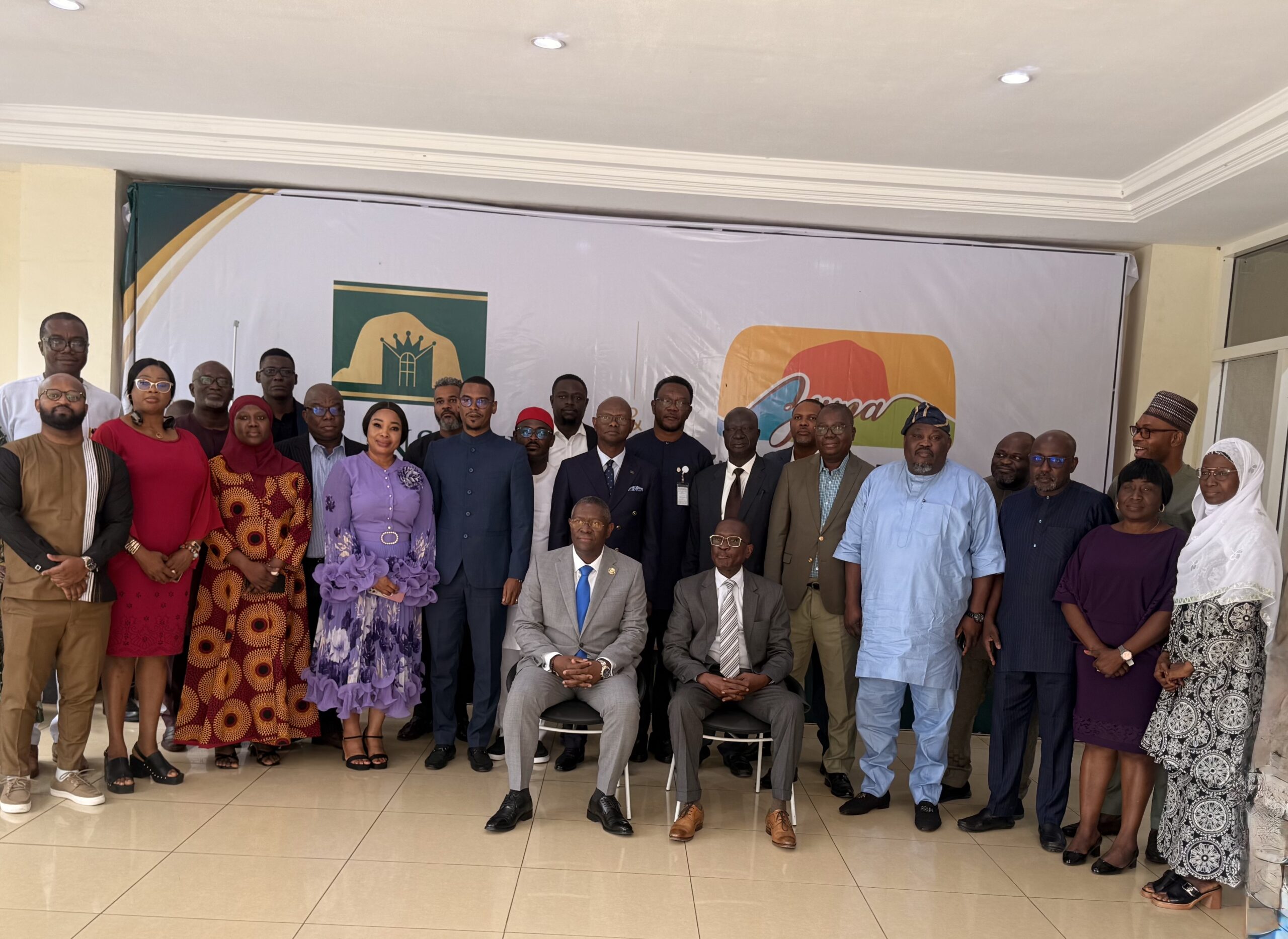

Abuja, June 10, 2026 – The Community Court of Justice of the Economic Community of West African States (ECOWAS) has commenced a four-day workshop aimed at translating its newly launched Strategic Plan 2026–2030 into actionable programmes designed to strengthen judicial efficiency, improve access to justice and enhance institutional performance across the region.
The workshop, holding at Zuma Rock Resort in Niger State, brings together the Court’s management team, directors, heads of divisions and units, alongside representatives of the ECOWAS Commission and strategic planning experts.
Declaring the workshop open, President of the Court, Ricardo Cláudio Monteiro Gonçalves, described the exercise as the beginning of a new phase in the institution’s development.
He noted that while the adoption of the Strategic Plan marked an important milestone, its success would ultimately depend on effective implementation and measurable impact on the Court’s operations and service delivery.
According to him, the Court must embrace a new institutional culture focused on performance, collaboration and strategic thinking.
“We need a new institutional mindset: from routine to performance, from processes to results, from silos to collaboration, and from reaction to strategy,” he said.
Gonçalves added that the plan provides a roadmap for strengthening judicial processes, expanding access to justice, promoting transparency, modernising institutional systems and deepening public confidence in the Court.
He further highlighted the alignment of the strategy with ECOWAS Vision 2050, describing the Court as a key institution in advancing good governance, the rule of law and regional integration in West Africa.
In his welcome address, Yaouza Ouro-Sama, Chief Registrar of the Court and Chairman of the Strategic Plan Technical Committee, said the workshop represented a major step toward improving institutional effectiveness.
Read Also: EFCC Drags Foreign Vessel, Crew to Court over Alleged Theft of 25 Million Litres of NNPC Fuel
He stressed the importance of shared ownership, clear responsibilities, measurable performance indicators and robust monitoring systems in achieving the objectives of the five-year plan.
Also speaking, Mrs Margaret Azinkpali, Acting Principal Officer, Planning, Monitoring and Evaluation, said the workshop was designed to move the Strategic Plan from vision to implementation.
She explained that participants would develop institutional frameworks, implementation tools, accountability structures and monitoring mechanisms required for successful execution of the plan.
Among the expected outcomes are the validation of a Strategic Execution Roadmap, confirmation of departmental accountability structures, development of an institutional Key Performance Indicator (KPI) Register and enhanced staff capacity in monitoring, evaluation and performance management.
Azinkpali described the Strategic Plan as a practical framework that would guide decision-making, resource allocation and performance assessment over the next five years.
Meanwhile, Mr Mamadu Mudjataba Baldé, Head of Strategic Planning, Programming and Coordination at the ECOWAS Commission, presented the Community’s Vision 2050 and Strategic Framework.
He said the Court’s Strategic Plan strongly aligns with the regional blueprint, particularly the governance and rule of law pillar, which seeks to build strong institutions, protect human rights and promote accountability across member states.
Participants at the workshop are expected to deliberate on reforms aimed at integrating the Strategic Plan into the Court’s day-to-day operations through improved governance structures, clearer institutional responsibilities, enhanced communication systems and stronger performance management mechanisms.
The workshop, which runs from June 8 to June 11, is expected to produce a validated implementation roadmap and strengthened monitoring systems that will support the Court’s efforts to become a more efficient, transparent and impactful regional judicial institution.
The Strategic Plan 2026–2030 underscores the Court’s commitment to advancing the rule of law, protecting human rights and supporting regional integration in line with the aspirations of ECOWAS Vision 2050.